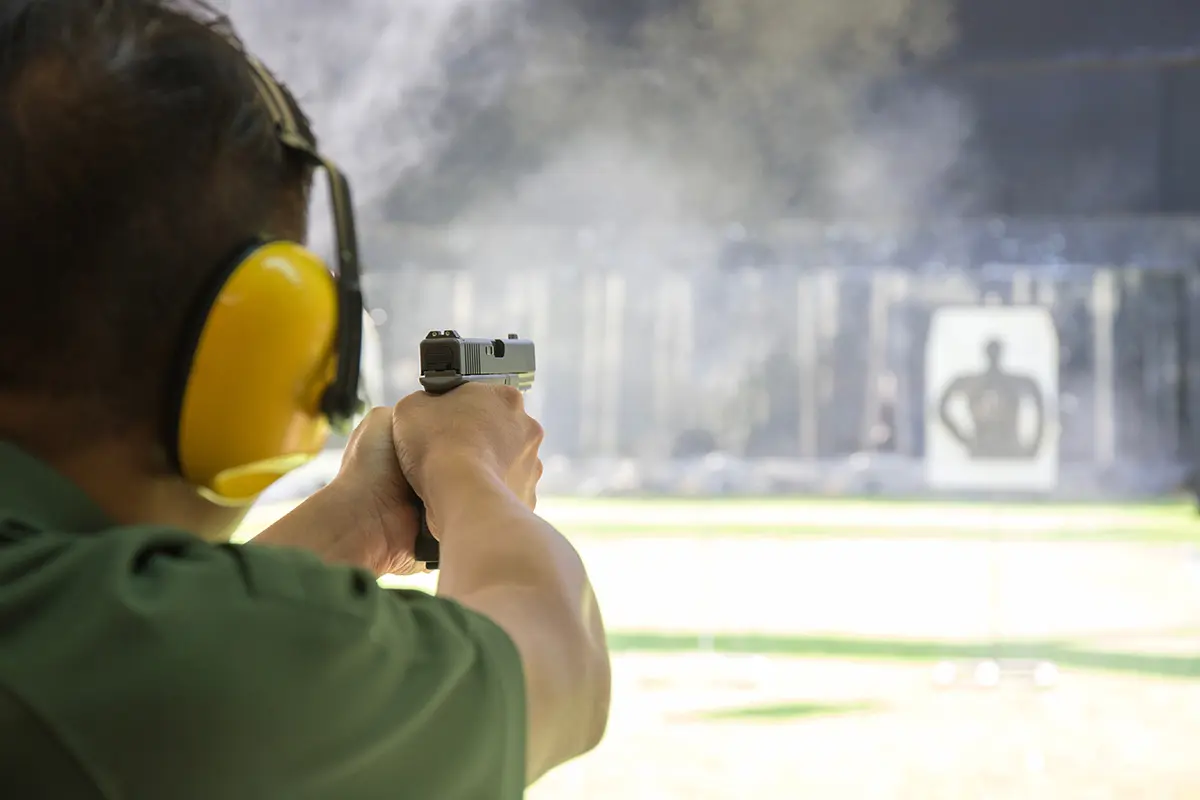
Start 2026 Off with a Bang: Sign Up for a Firearms Training Course
Whether you just bought your first firearm, got one as a gift this Christmas or you’ve owned guns for years, one thing about gun ownership remains true...
Whether you just bought your first firearm, got one as a gift this Christmas or you’ve owned guns for years, one thing about gun ownership remains true...
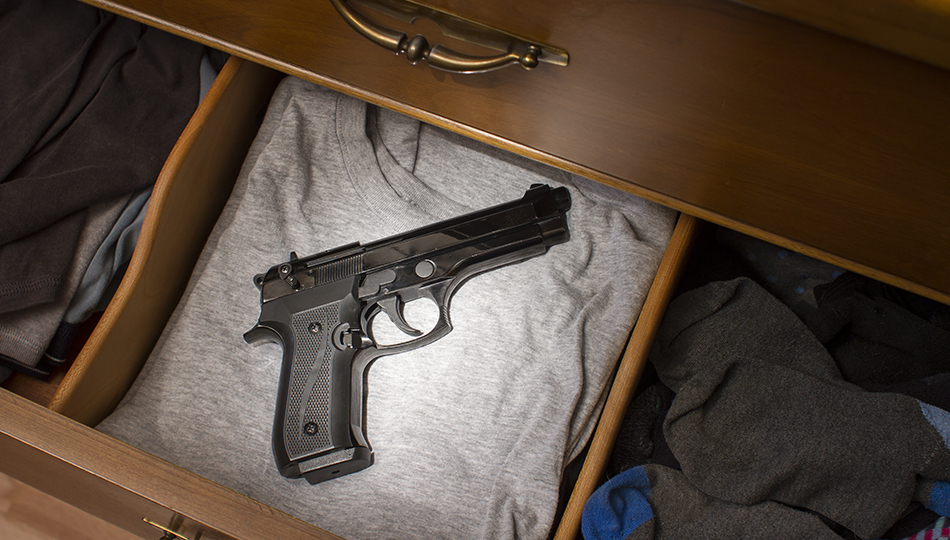
The conversation around safe firearm storage sometimes feels like it’s become as controversial as global warming or healthcare. Buy why is that?
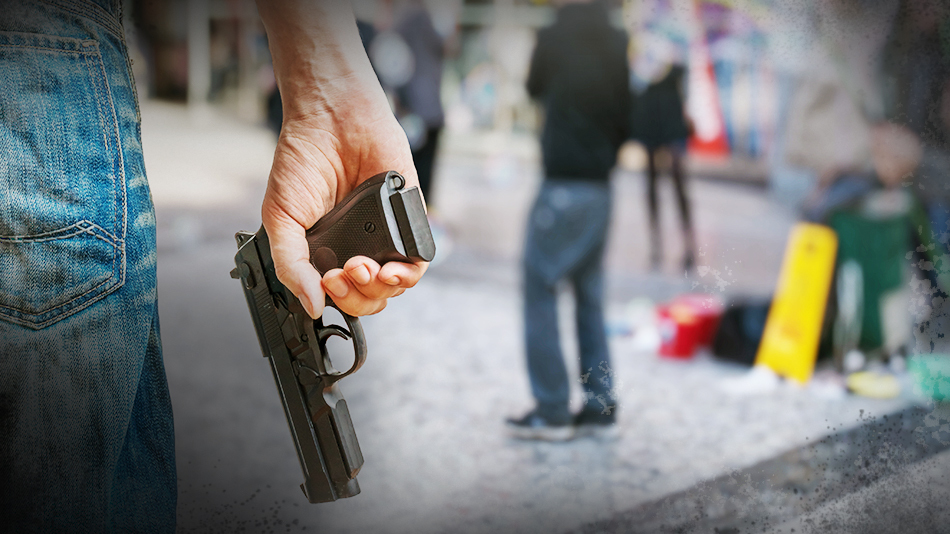
Depending on which survey you read, there are anywhere between 100,000 and 3.6 million defensive gun uses per year in the United States. One thing that almost everyone who studies such things agrees on is that, in a large number of the defensive gun uses that take place each year, no shot is ever fired. So, what separates displaying a firearm lawfully—or even justifiably pointing a firearm at another person—from a criminal charge of “brandishing,” or the unlawful display of a firearm?
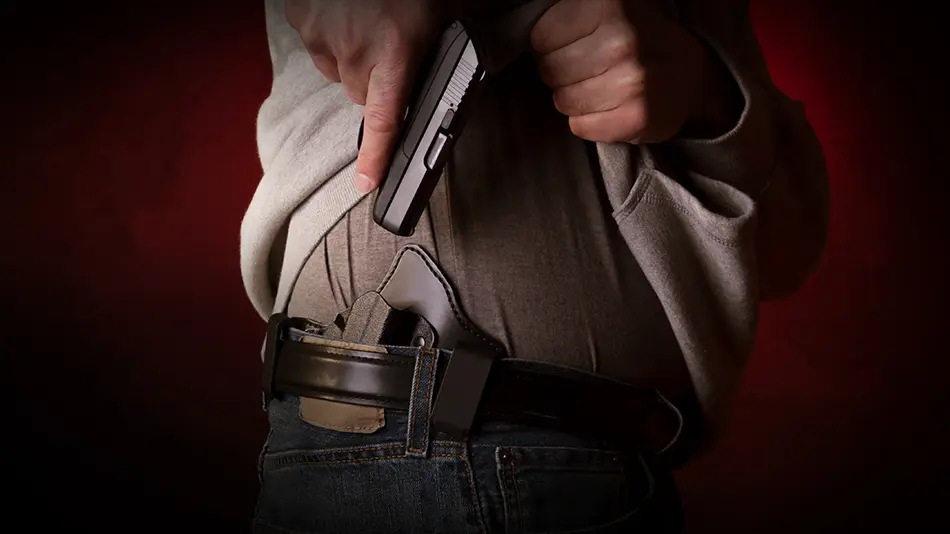
Concealed carry is the practice of carrying a firearm (typically a handgun) on one’s physical person while taking steps to ensure that the presence of the firearm is undetectable to casual (or trained) observers. Concealed carry is often accomplished by securing the firearm in a holster specifically designed to aid concealment underneath everyday clothing.
Whether it’s a private citizen defending their life from an attack or law enforcement apprehending a criminal, in today’s world there are many questions surrounding use of force. Although the term means different things when used with a civilian versus a government agent, everyone has questions about what level of force is warranted for a given situation. Police officers need to be aware of “excessive force” and civilians need to be wary of escalating a situation by using “disproportional force” in a self-defense incident. We all struggle to balance the value of human life against the need to respond, sometimes with deadly force, to an imminent threat.
Home defense is an important topic for gun owners, not only because it tends to be the primary reason many people own firearms but also due to its many nuances. When trying to make a home defense plan for your place of residence, you might be wondering what gun to use, how to store or stage it, and what laws might pertain to you when protecting yourself from a violent home invasion. Before planning practical home defense strategies, it’s a good idea to have a general understanding of what it means to defend your place of residence.
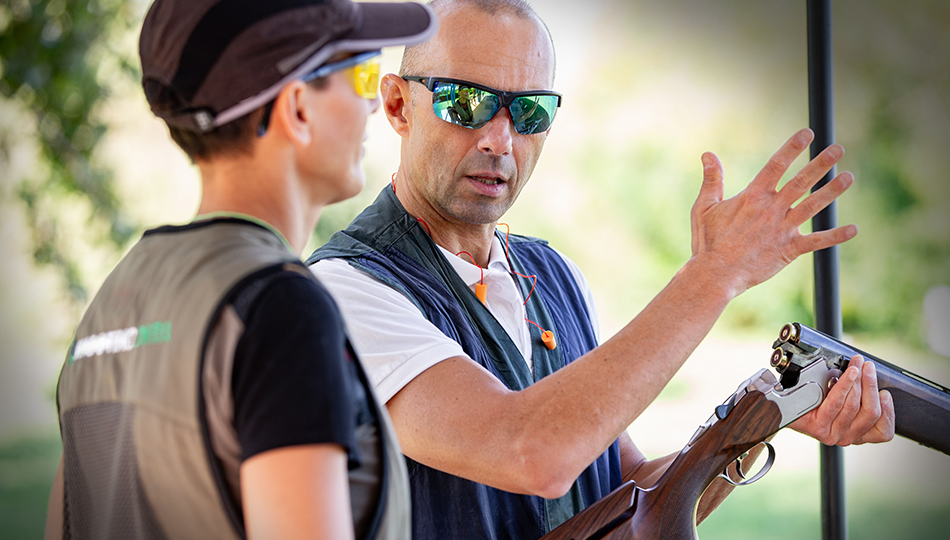
In a world where firearms play a significant role, responsible gun ownership is of paramount importance. Being a responsible firearm owner entails more than just possessing a firearm; it involves thorough weapon training, understanding the importance of firearm safety, and abiding by gun laws to prevent accidents (including when accidental discharges) and reduce gun violence.
With the pandemic slowly drawing to a close and a return to normalcy appearing on the horizon, it’s safe to assume Americans will be traveling more in 2021 than in 2020. And whether you’re new to guns or have been shooting your entire life, it’s important to remember there are very specific rules in place if you decide to travel by air with your firearm.
Traveling across the country by car can be an enriching experience that introduces you to new and exciting places. But choosing to transport a firearm, and the ammunition that goes with it, while you seek adventure on the open road can lead to trouble if you’re not careful.
New Year's resolutions are a longstanding tradition in America and beyond. Our habit of using Jan. 1 as the starting point for a personal revolution goes back at least 200 years.

For a better online experience, please confirm the state you live in.